
Table of Contents
ToggleAntibiotics for Strep Throat: 7 Treatments Doctors Prescribe
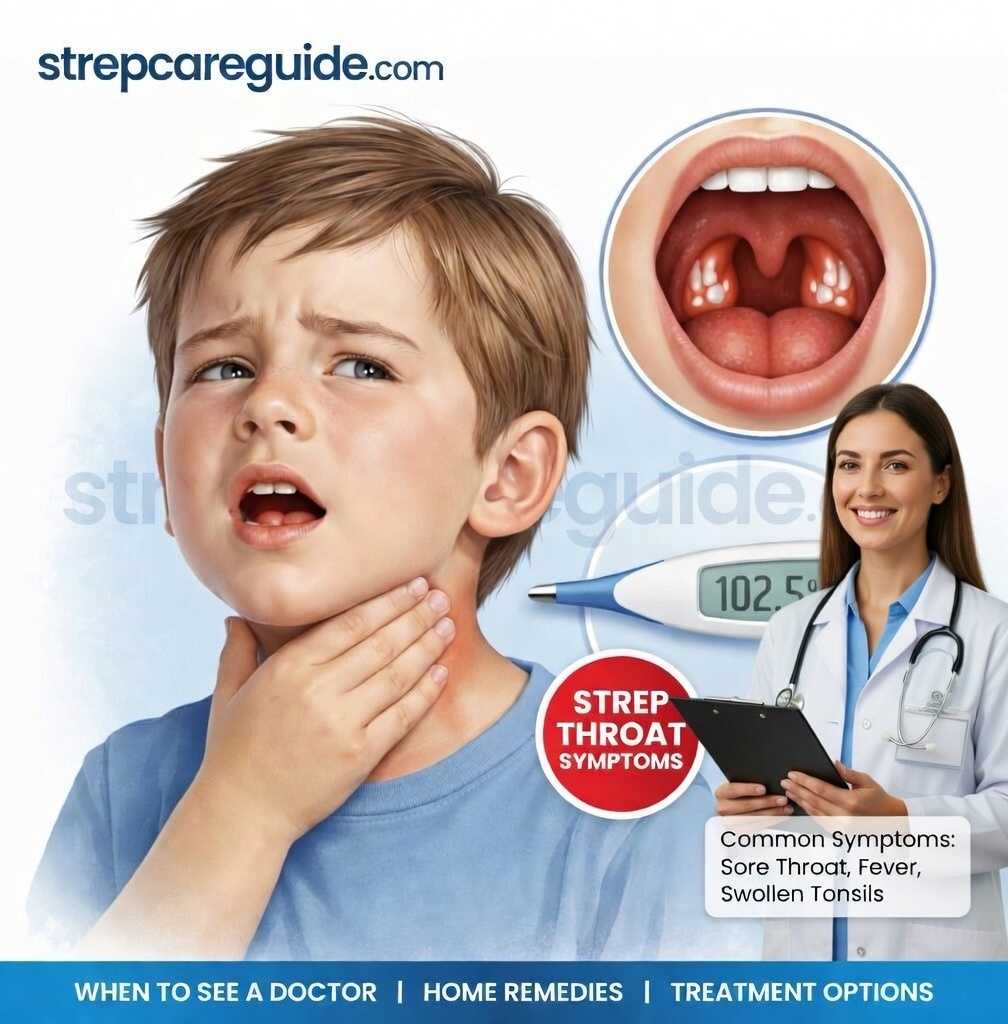
Strep throat is a bacterial infection that affects the throat and tonsils, causing pain, inflammation, and difficulty swallowing. Unlike most sore throats caused by viruses, strep throat requires antibiotics to fully treat the infection and prevent complications.
Understanding which antibiotics are used, how they work, and when they are necessary can help you recover faster and avoid spreading the infection to others.
Watch: Dr. Richard Honaker Explains Antibiotics for Strep Throat
Dr. Honaker explains that strep throat is caused by a bacterial infection known as Group A Streptococcus, which requires antibiotics such as penicillin or amoxicillin to fully eliminate the infection. He also discusses how these medications help reduce symptoms, prevent complications, and stop the spread of infection within about 24 hours of starting treatment.
Why Antibiotics Are Needed for Strep Throat
Strep throat is caused by Group A Streptococcus bacteria, which cannot be eliminated by the body as easily as viral infections.
Antibiotics are important because they:
Kill the bacteria causing the infection
Reduce symptom severity
Shorten the duration of illness
Prevent complications like rheumatic fever
Reduce contagiousness within 24 hours
Without antibiotics, strep throat may last longer and increase the risk of spreading to others.
Most Common Antibiotics for Strep Throat
Doctors typically prescribe one of several well-established antibiotics.
Penicillin
Penicillin is the first-line treatment for strep throat.
Highly effective
Low cost
Narrow-spectrum (targets specific bacteria)
It has been used for decades and remains one of the most reliable treatments.
Amoxicillin
Amoxicillin is another commonly prescribed antibiotic, especially for children.
Easier to take (liquid form available)
Similar effectiveness to penicillin
Often better tolerated
This is one of the most frequently prescribed antibiotics for strep throat.
Cephalexin
Used for patients with mild penicillin allergies.
Belongs to the cephalosporin class
Effective against strep bacteria
Alternative option when penicillin cannot be used
Azithromycin and Clarithromycin
These are used for patients with strong penicillin allergies.
Shorter treatment courses
Broader-spectrum antibiotics
Slightly higher resistance risk
How Long Do Antibiotics Take to Work?
Most people begin to feel better within 24 to 48 hours after starting antibiotics.
Typical timeline:
24 hours: reduced fever and less contagious
48 hours: noticeable symptom improvement
3–5 days: major symptom relief
10 days: full course completed
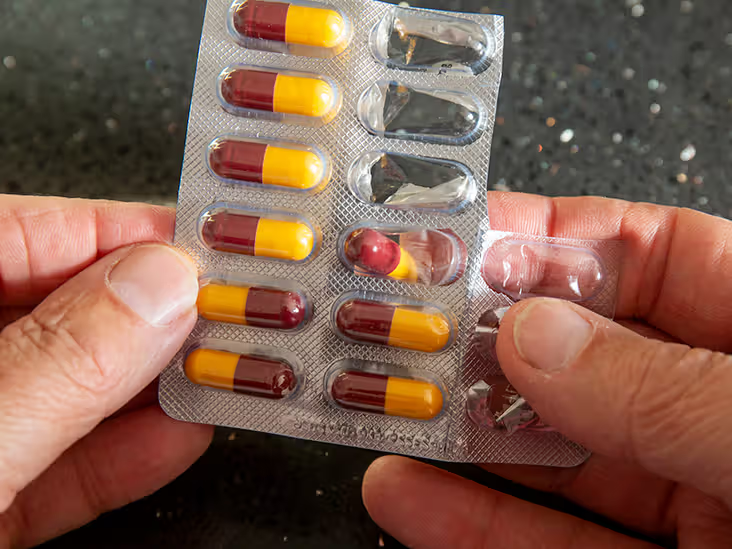
Even if symptoms improve quickly, it is critical to finish the entire antibiotic course.
Why You Must Finish the Full Course
Stopping antibiotics early can lead to:
Incomplete elimination of bacteria
Recurrence of infection
Antibiotic resistance
Increased risk of complications
Even if you feel better, the bacteria may still be present in your body.
What Happens If Strep Throat Is Not Treated?
Untreated strep throat can lead to serious complications, including:
Rheumatic fever
Kidney inflammation (post-streptococcal glomerulonephritis)
Abscess formation near the tonsils
Ear or sinus infections
Antibiotics significantly reduce these risks.
Are Antibiotics Always Necessary?
Yes—if strep throat is confirmed.
However, antibiotics should only be used when a bacterial infection is diagnosed, typically through:
Rapid strep test
Throat culture
Using antibiotics unnecessarily (for viral infections) can contribute to resistance and is not recommended.
Side Effects of Antibiotics
Most people tolerate antibiotics well, but side effects can occur.
Common side effects include:
Nausea
Diarrhea
Mild stomach discomfort
Rash (in some cases)
Serious allergic reactions are rare but require immediate medical attention.
How to Take Antibiotics Correctly
To ensure the best results:
Take medication exactly as prescribed
Do not skip doses
Complete the full course
Take with food if recommended
Stay hydrated
Consistency is key to eliminating the infection completely.
When Are You No Longer Contagious?
After starting antibiotics:
Most people are no longer contagious after 24 hours
Fever should be gone before returning to work or school
Without antibiotics, you may remain contagious for several days.
Home Care Alongside Antibiotics
While antibiotics treat the infection, supportive care helps relieve symptoms.
Helpful remedies:
Warm saltwater gargles
Drinking fluids
Rest
Throat lozenges
Over-the-counter pain relievers
These can improve comfort while antibiotics do their job.

Antibiotics for Children vs Adults
The treatment approach is similar, but:
Children often receive liquid amoxicillin
Dosages are adjusted based on weight
Monitoring is important for side effects
Children may also experience additional symptoms like stomach pain or vomiting.
Can Strep Throat Come Back After Antibiotics?
Yes, but it is uncommon if antibiotics are taken correctly.
Reinfection may occur if:
Exposure happens again
Antibiotics were not completed
There is antibiotic resistance
If symptoms return, a doctor may recommend another test.
When to See a Doctor
Seek medical care if you experience:
Severe throat pain
Fever above 101°F
Difficulty swallowing
Symptoms lasting more than 48 hours
No improvement after starting antibiotics
Prompt treatment ensures faster recovery and reduces complications.
Do I Need Antibiotics for My Symptoms?
Not all sore throats require antibiotics.
Signs you may need antibiotics:
Sudden sore throat
Fever
White patches on tonsils
Swollen lymph nodes
No cough
These symptoms suggest a higher likelihood of strep infection.
Frequently Asked Questions
Do antibiotics cure strep throat?
Yes. Antibiotics eliminate the bacteria causing the infection and help symptoms improve quickly.
What is the best antibiotic for strep throat?
Penicillin and amoxicillin are the most commonly prescribed and effective treatments.
How fast do antibiotics work for strep throat?
Most people feel better within 1–2 days after starting treatment.
Can strep throat go away without antibiotics?
It can, but antibiotics reduce complications and speed recovery significantly.